
Identifying and Addressing Different Drywall Cracks Made Easy
Drywall is a popular choice for interior walls due to its affordability and versatility. However, homeowners often encounter cracks that can affect both aesthetics and structural integrity. Understanding the common types of drywall cracks and how to fix them is essential for maintaining your home’s value and safety. This guide will explore various crack types, their causes, and practical solutions.
Why Do Drywall Cracks Appear?
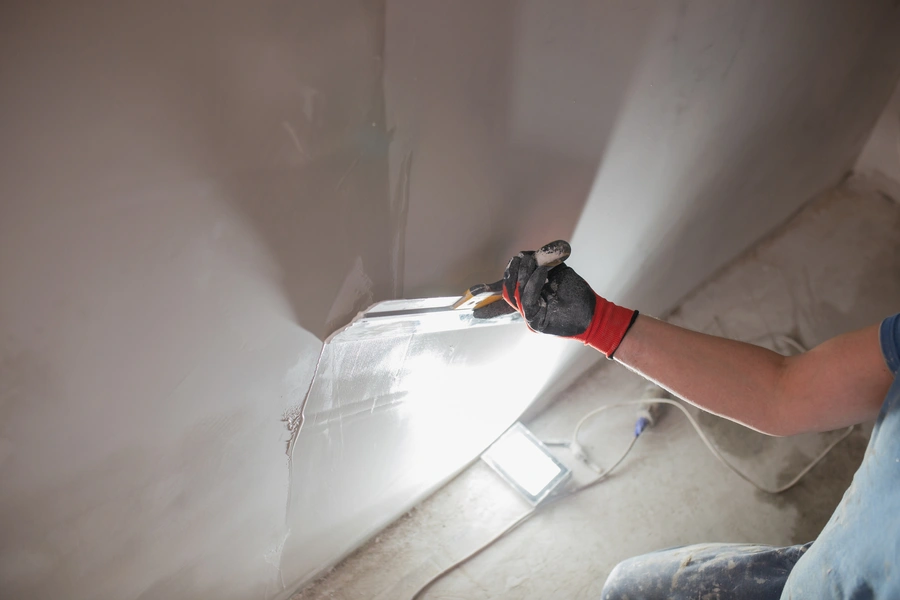
Drywall cracks can occur for several reasons. The most common cause is settling in new homes as the structure adjusts. Other factors include temperature fluctuations, moisture changes, and improper installation. Recognizing these causes helps you address issues before they worsen.
The Role of Temperature and Humidity
Temperature and humidity play significant roles in drywall cracking. Seasonal changes can lead to expansion and contraction, causing stress on drywall sheets. Managing indoor climate can minimize these effects. For instance, using dehumidifiers or air conditioners can help maintain a stable environment and prevent further damage.
Hairline Cracks: Small but Telling
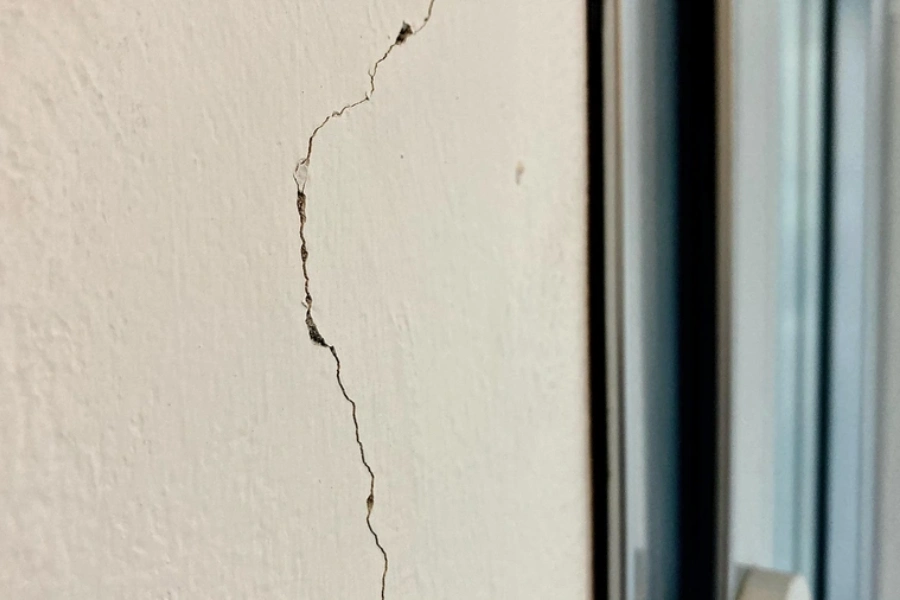
Hairline cracks are thin lines that appear on the surface. They usually result from normal settling or minor stress. Although they may seem insignificant, addressing them promptly prevents bigger issues. A simple drywall crack repair technique involves applying a joint compound followed by sanding and repainting.
Corner Cracks: Where Two Walls Meet
Cracks at the corners where two walls meet often occur due to movement in different directions. These require careful attention as they might indicate structural shifts. To handle corner cracks, use a flexible sealant that accommodates movement while providing a neat finish.
Tapered Joint Cracks: Following the Seams
Tapered joint cracks follow the seams between drywall sheets. They typically happen when tape or mud fails under stress. Repairing these involves removing loose material and reapplying tape with sufficient compound to ensure durability.
Nail Pops: Tiny Bulges on Your Wall
Nail pops create small bulges or cracks around fasteners used to secure drywall. They’re caused by nails losing grip over time or natural wood movement beneath the drywall. Solving nail pops requires resecuring with screws followed by drywall crack repair techniques for a smooth appearance.
Preventing Future Drywall Cracks
- Ensure proper installation techniques are used from the start
- Maintain consistent indoor temperatures year-round
- Regularly inspect areas prone to moisture exposure
- Use quality materials during construction or renovations
- Address foundation issues promptly to avoid structural stress
Structural Cracks: When to Call an Expert
Unlike minor cosmetic issues, structural cracks demand professional intervention. These large cracks could indicate severe underlying problems like foundation instability. If you notice wide or horizontal cracks, consulting with a building expert ensures your home remains safe.
Your Go-To Solution for Wall Integrity
If you’re facing recurring drywall issues, consider calling Amigos Drywall Company LLC at (253) 550-4293. Our team offers reliable services ensuring your walls remain in top condition. Located in Federal Way, WA, we specialize in comprehensive repairs that stand the test of time. Trust our expertise for all your wall maintenance needs.